4.0 Why It Matters
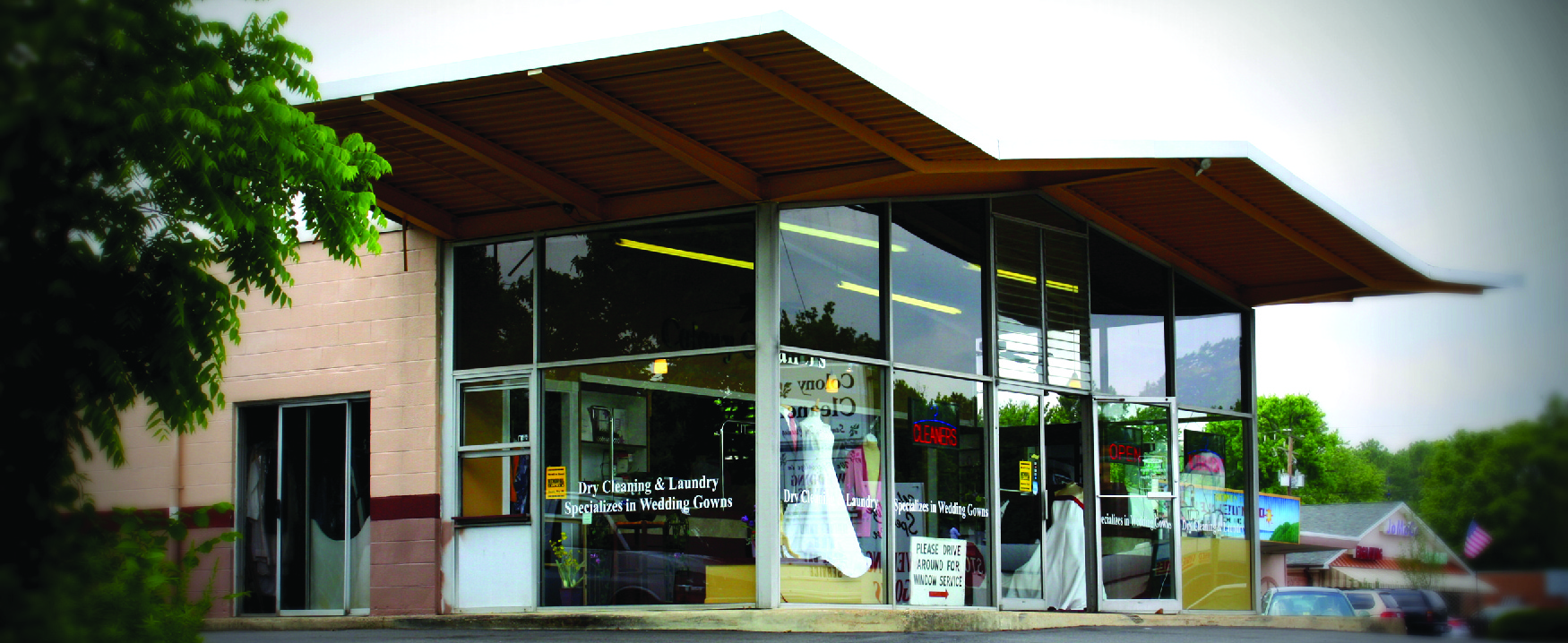
As we learned in Analyzing and Recording Transactions, upon finishing college Mark Summers wanted to start his own dry-cleaning business called Supreme Cleaners. After four years, Mark finished college and opened Supreme Cleaners. During his first month of operations, Mark purchased dry-cleaning equipment and supplies. He also hired an employee, opened a savings account, and provided services to his first customers, among other things.
Mark kept thorough records of all of the daily business transactions for the month. At the end of the month, Mark reviewed his trial balance and realized that some of the information was not up to date. His equipment and supplies had been used, making them less valuable. He had not yet paid his employee for work completed. His business savings account earned interest. Some of his customers had paid in advance for their dry cleaning, with Mark’s business providing the service during the month.
What should Mark do with all of these events? Does he have a responsibility to record these transactions? If so, how would he go about recording this information? How does it affect his financial statements? Mark will have to explore his accounting process to determine if these end-of-period transactions require recording and adjust his financial statements accordingly. This exploration is performed by taking the next few steps in the accounting cycle.
James Tree Farm
James started his farm nursery just two years ago and things are going well and his bank is pleased with his reporting and progress he is making as he plans to transplant the young trees to his awaiting fields. James has been able to update the value of his nursery from beginning seedlings to now two year old transplantable young trees. In reviewing his financial statements he realizes he needs to make adjustments at the end of the month for those trees that have died and are no longer considered assets and part of his current inventory.
Adapted from Principles of Accounting, Volume 1: Financial Accounting (c) 2010 by Open Stax. The textbook content was produced by Open Stax and is licensed under a Creative Commons BY-NC-SA 4.0 license. Download for free at https://openstax.org/details/books/principles-financial-accounting