10.0 Why It Matters
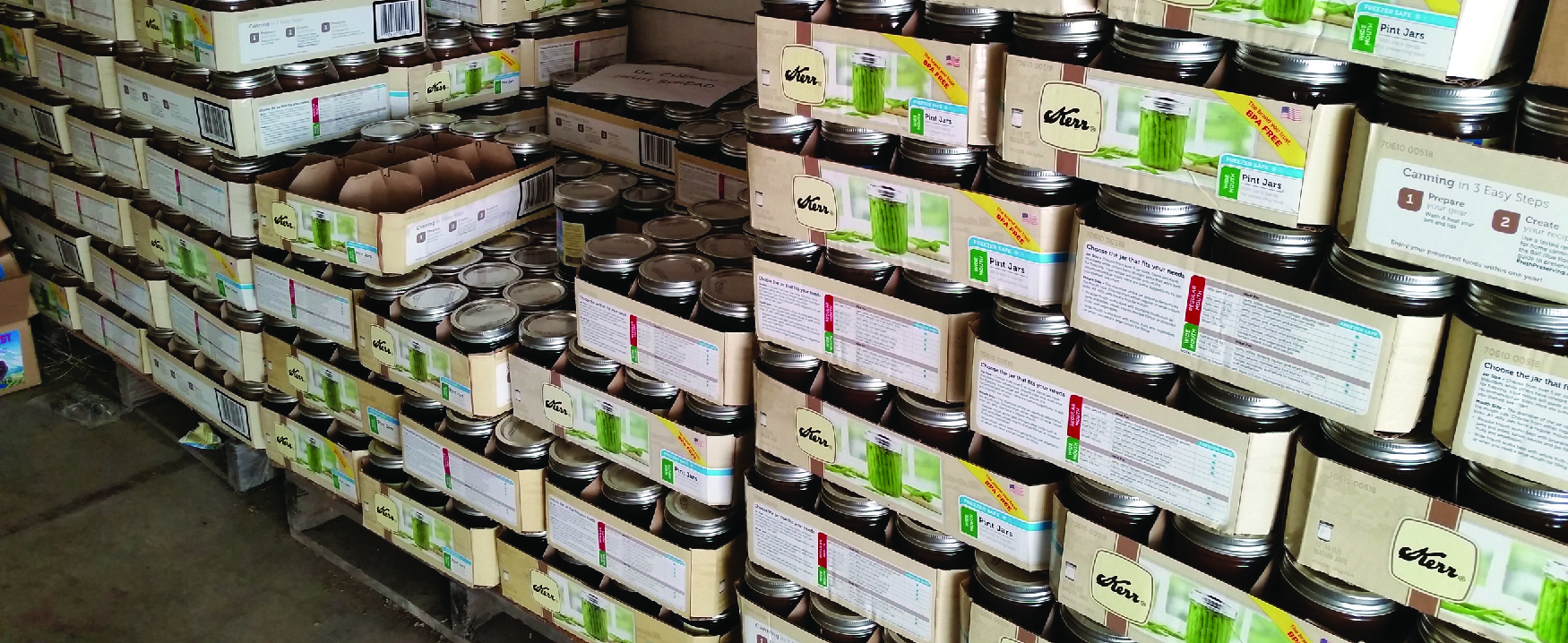
Did you ever decide to start a healthy eating plan and meticulously planned your shopping list, including foods for meals, drinks, and snacks? Maybe you stocked your cabinets and fridge with the best healthy foods you could find, including lots of luscious-looking fruit and vegetables, to make sure that you could make tasty and healthy smoothies when you got hungry. Then, at the end of the week, if everything didn’t go as you had planned, you may have discovered that a lot of your produce was still uneaten but not very fresh anymore. Stocking up on goods, so that you will have them when you need them, is only a good idea if the goods are used before they become worthless.
Just like with someone whose preparation for healthy eating can backfire in wasted produce, businesses have to balance a fine line between being prepared for any volume of inventory demand that customers request and being careful not to overstock those goods so the company will not be left holding excess inventory they cannot sell. Not having the goods that a customer wants available is bad, of course, but extra inventory is wasteful. That is one reason why inventory accounting is important.
Special Note
When one considers the challenges in agriculture such as weather, markets, government involvement such as tariffs, consumer preferences, etc., it is important to note that agriculture in almost all cases are price takers. This means they must eventually accept the price that the market offers as price takers they do not have leverage against would be buyers. Many commodities farmers can forward contract for the sale of their products at a given price to only have those contracts canceled due to change in world prices and or intervention like tariffs. Added to the challenges of price takers are those products that have short shelf life like produce, milk, cheese and other perishable products.
Adapted from Principles of Accounting, Volume 1: Financial Accounting (c) 2010 by Open Stax. The textbook content was produced by Open Stax and is licensed under a Creative Commons BY-NC-SA 4.0 license. Download for free at https://openstax.org/details/books/principles-financial-accounting